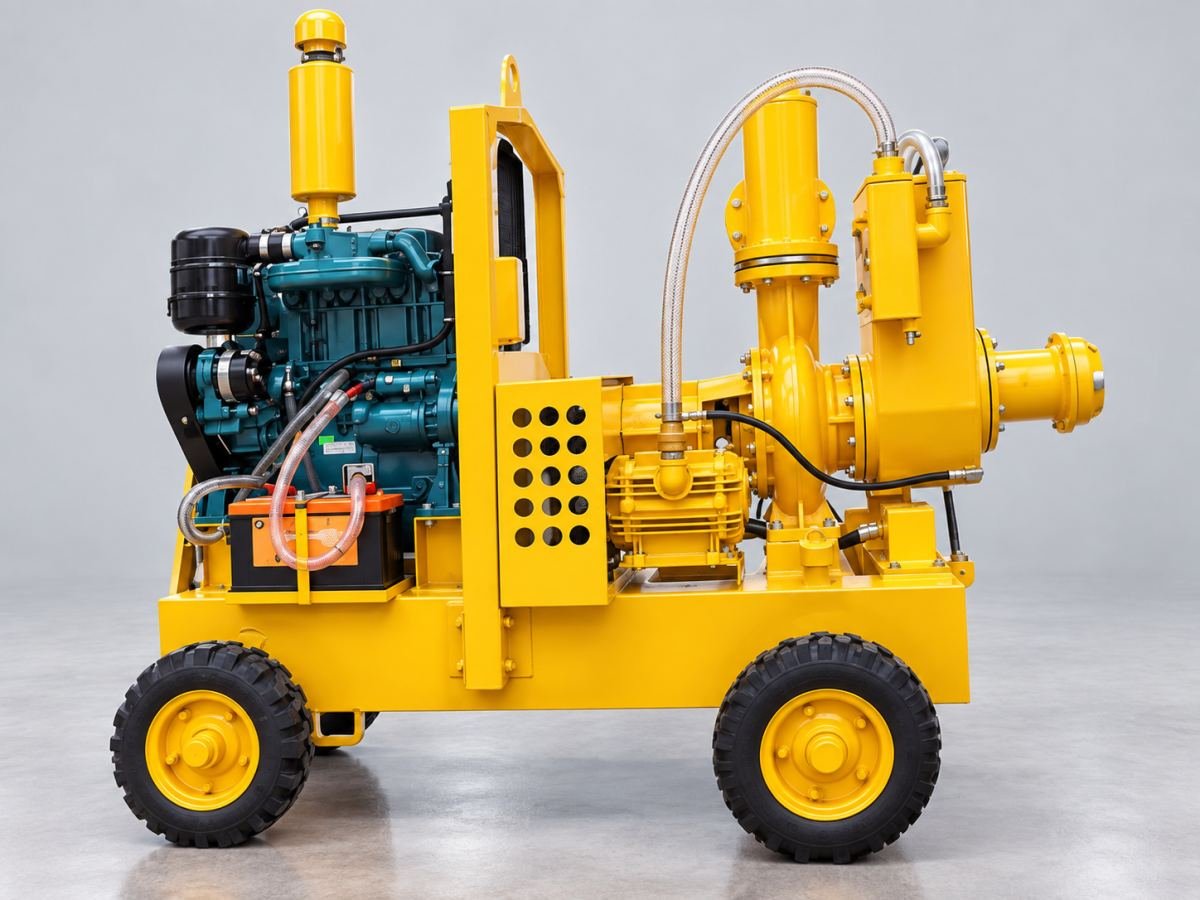
Excavation dewatering follows the same engineering principles wherever a project is built: understand the ground and the water, choose a suitable method, size the pumping system, manage the discharge and plan for continuous operation. This article sets out the general questions a project team in Bahrain should work through before mobilising pumps. It does not describe specific regulations or approval processes; those should be confirmed for each project with the relevant authorities and the project's consultants.
Start with the site investigation data
Good dewatering decisions depend on good information about the ground. Before selecting equipment, review what the site investigation report and the geotechnical consultant can tell you:
- Borehole logs: soil and rock types through the depth of the excavation and below it.
- Groundwater observations: levels recorded during drilling and, ideally, in standpipes or piezometers monitored over time.
- Permeability: results of any field or laboratory tests, which strongly influence the expected inflow.
- Water quality: samples tested for salinity, dissolved solids or contaminants.
If this information is missing or limited, discuss with the design team whether additional investigation is needed. Assumptions made without data tend to show up later as undersized pumps, unexpected inflows or discharge problems.
Understand the groundwater you will be dealing with
Several groundwater questions shape both the method and the equipment:
- Level relative to formation: how far below the groundwater level the excavation base will be, which determines the required drawdown.
- Variation: whether levels are expected to change during the works. On sites near the coast or on reclaimed land, the team should check with its consultants whether groundwater may respond to tidal movement.
- Chemistry: if groundwater is saline or chemically aggressive, this affects the choice of pump materials, hoses and couplings, and the discharge route. Compatibility should be reviewed against documented material data rather than assumed.
- Solids: fine sands and silts can be drawn into the pumped water, affecting pump wear, discharge quality and potentially the stability of the surrounding ground.
Agree the dewatering method with the designers
The method is a temporary works design decision. Depending on the ground conditions, depth and duration, the team may consider sump pumping, wellpoint systems, deep wells, cut-off walls that reduce inflow, or a combination. Each has different implications for the pumps: sump pumping may need solids-handling capability, wellpoint systems depend on suction performance, and deep wells use submersible pumps where discharge head is the main consideration.
Lowering groundwater can affect neighbouring structures, services and roads. The design team should assess this and specify any monitoring of ground movement or water levels outside the excavation. The construction and infrastructure page outlines the information typically reviewed for these applications.
Plan the discharge and approvals early
The discharge arrangement is often the item that delays the start of pumping, so it should be addressed at the planning stage:
- Identify where pumped water can be discharged and agree the arrangement, and any required approvals, with the relevant authorities before pumping starts.
- Establish whether water quality testing is required before or during discharge.
- Plan settlement tanks or other measures to remove silt and sand.
- Route discharge lines to avoid traffic, access routes and neighbouring property, and allow for the friction losses that a long route adds.
- Decide who is responsible for monitoring and records during the works.
Size and configure the pumping system
With the method and discharge route known, the pumping duty can be defined:
- Flow: the design inflow from the designers, with an allowance for rainfall events and uncertainty.
- Total head: static head from the lowest water level to the discharge point, plus friction losses in hoses, pipes and fittings, plus any pressure needed at the outlet.
- Suction conditions: for surface pumps, suction lift is conditional and is not total head; it should be checked separately for the expected water levels.
- Fluid: clean, silty or solids-laden water, and any salinity.
The resulting duty point is checked against pump performance curves. Maximum flow and maximum head do not necessarily occur together. Selection depends on the performance curve and operating duty. Hoses, couplings and manifolds should be selected at the same time so that diameters and pressure ratings are consistent.
Plan operation and support through the works
Excavation dewatering frequently runs around the clock until the structure is able to resist groundwater pressure. The operating plan should cover:
- Power or fuel: a reliable electricity supply, or a refuelling routine and safe fuel storage for diesel pumps.
- Standby: a standby pump and, where appropriate, an independent power source, if loss of pumping could flood the excavation.
- Site conditions: where high ambient temperatures and dust occur, check engine cooling and air filtration requirements against the equipment documentation, and plan more frequent filter inspections.
- Inspection and maintenance: routine checks of strainers, seals, hoses and couplings, and servicing at the intervals in the equipment documentation, subject to the agreed service scope.
- Decommissioning: when and how pumping can be reduced or stopped, as defined by the designers.
Where pumps are needed only for the excavation phase, renting may be practical. The pump rental service explains what to share; duration, responsibilities and pricing are defined in the rental agreement.
Before you mobilise: questions and next steps
A short checklist for the project team:
- Do we have site investigation data covering groundwater levels, permeability and water quality?
- Has the temporary works designer confirmed the method, required drawdown and design inflow?
- Have the potential effects on neighbouring structures been assessed, and is monitoring specified?
- Is the discharge point identified and the arrangement agreed with the relevant authorities?
- Is the pumping duty defined in terms of flow, total head, suction conditions and fluid?
- Are power or fuel, standby equipment and maintenance responsibilities in place?
SmartCo discusses supply and service for projects in Bahrain and Saudi Arabia, and supply to Kuwait by arrangement. If you are planning excavation dewatering, share the flow, head, fluid type and project location, together with any investigation data you have. More information is available on our Bahrain coverage page.
Pump & Accessory Supply
We review duty requirements, configuration and accessories before preparing a supply quotation. Availability and delivery timing are confirmed in the quotation.
Pump Rental for Temporary Projects
Rent dewatering pumps for temporary works. Tell us the rental period, duty, site location and the accessories you need, and we will send you a rental offer.